Corey’s Corner: My Top Advice for Anyone Thinking About Moving to Marin
Thinking about moving to Marin County? Before searching for homes for sale in Marin, it helps to understand that Marin County real estate is not one single market. Mill Valley, San Rafael, Novato, Larkspur, Fairfax, Bel Marin Keys, and West Marin can offer dramatically different homes, commutes, climates, surroundings, and daily routines. As a Marin County Realtor, my biggest advice is simple: do not begin with a list of houses. Begin by identifying the Marin lifestyle you actually want to live.
Marin is desirable for good reason. You are close to San Francisco, Pacific beaches, Sonoma wine country, redwood forests, waterfront recreation, local restaurants, and an extraordinary amount of protected open space. Marin County Parks manages approximately 18,500 acres across 34 open space preserves, giving residents access to hiking, cycling, horseback riding, scenic overlooks, waterfalls, and natural areas throughout the county.
That combination of access, natural beauty, and limited housing supply is difficult to recreate. It is also why moving to Marin requires more local knowledge than many buyers initially expect.
Marin Is a Collection of Small Markets
One of the biggest mistakes buyers make is assuming the city name tells them everything they need to know.
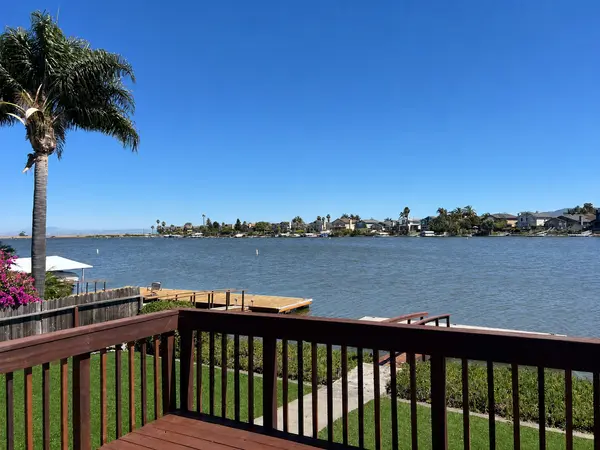
When someone says they are looking at Novato real estate, that could mean waterfront living in Bel Marin Keys, homes near downtown Novato, larger properties around Indian Valley, hillside settings near Country Club, or quieter residential streets in Pleasant Valley.
San Rafael is equally varied. Downtown San Rafael, Gerstle Park, Sun Valley, Dominican, Terra Linda, Marinwood, and Peacock Gap each create a different experience. One neighborhood might give you easier freeway access. Another might place you closer to trails, restaurants, schools, a golf course, or the waterfront.
The same applies throughout Marin. Mill Valley’s downtown environment is different from Tamalpais Valley or Strawberry. Larkspur is different from Corte Madera. Fairfax has a different rhythm than Kentfield. West Marin presents an entirely different lifestyle from communities along Highway 101.
You are not simply choosing a city. You are choosing a micro-market, a commute, a climate, a property type, and a daily routine.
Start With Your Lifestyle, Not the Listing Photos
Before touring homes, I encourage buyers to answer a few honest questions.
How often do you need to be in San Francisco? Do you want to walk to coffee and dinner, or would you rather have more land and direct trail access? Are you drawn to redwoods, open hills, waterfront living, a traditional downtown, or a more rural setting? Do you want a turnkey home, or are you comfortable improving an older property?
The answers will narrow your search faster than scrolling through hundreds of listings.
Marin is one of those places where the location of the house can influence your life as much as the house itself. A beautiful property will not solve a commute that does not work, a climate you did not expect, or a neighborhood layout that does not match your routine.
Spend time in your target areas during the morning, evening, and weekend. Get coffee. Drive the commute. Walk the neighborhood. Visit the nearby trailhead or downtown. The goal is to experience the area as a resident, not just as a homebuyer.
Test Your Real Commute
Proximity to San Francisco is one of Marin’s greatest advantages, but commute experiences vary widely by location and schedule.
Golden Gate Ferry operates service between San Francisco and Larkspur, Sausalito, and Tiburon. Golden Gate Transit also serves several Marin communities, and SMART provides rail connections through Novato, San Rafael, and Larkspur.
Do not rely solely on a mapping app at 2:00 p.m. Test the trip when you would normally travel. Consider ferry access, parking, school drop-off, Highway 101 traffic, and how often you genuinely need to commute.
A home farther north may offer more space or a different setting. A home farther south may shorten the trip to San Francisco. Neither is automatically better. The right answer depends on how you live.
Verify Schools by Property Address
Schools are an important part of many Marin home searches, but this is another area where buyers should avoid assumptions.
Marin County has 17 school districts, with different elementary, high school, and unified district structures. The Marin County Office of Education provides a boundary search by property address and parcel number.
Do not assume every home with the same city or ZIP code has the same assignment. Verify the current boundary for any property under serious consideration, speak directly with the appropriate district, and evaluate the programs and environment based on your own priorities.
Online ratings can be one data point, but they should not replace personal research.
Understand Why Housing Inventory Can Feel Tight
Marin’s protected landscapes are central to its appeal. They are also part of a broader development environment in which available land, zoning, geography, infrastructure, and community planning affect the creation of new housing. Marin County’s Housing Element specifically addresses physical and regulatory constraints on new residential development.
The result is a market with relatively little large-scale new construction compared with many suburban regions.
That can help support long-term demand for existing homes, but appreciation is never guaranteed. A Marin home should work for your budget, lifestyle, and expected ownership timeline before you treat it as an investment.
Limited new construction also means many buyers will encounter older homes. Some have been beautifully renovated. Others may need roofing, drainage, electrical, foundation, sewer, septic, or efficiency improvements. Good inspections and realistic renovation planning matter.
Budget Beyond the Purchase Price
The monthly mortgage is only one part of the cost of owning a home in Marin.
Depending on the property, buyers may need to consider homeowners insurance, flood exposure, wildfire mitigation, ongoing landscaping, drainage, deferred maintenance, homeowners association dues, special district charges, shoreline responsibilities, or private infrastructure.
Insurance should be investigated early, not after contingencies are nearly complete. The California Department of Insurance recommends comparing residential insurance options, and Marin County provides maps and resources for wildfire and flood hazards.
These issues do not mean a property is a poor choice. They mean every property deserves its own due diligence.
Do Not Underestimate the Lifestyle Return
There is a financial side to buying Marin County real estate, but there is also a daily quality-of-life return that does not show up on a spreadsheet.
This is the birthplace of mountain biking. You can hike before work, spend an afternoon at the coast, take the ferry to San Francisco, or head north toward Sonoma wine country.
Marin also has a real community culture. You will find outdoor concerts, farmers markets, neighborhood celebrations, local theater, independent businesses, and live music at venues such as Sweetwater Music Hall and Rancho Nicasio. Seasonal concert series bring residents together in communities including San Anselmo, Corte Madera, Novato, and Ross.
Then there is the food. Marin’s restaurant scene ranges from casual neighborhood institutions to waterfront dining, West Marin oysters, farm-driven menus, bakeries, coffee shops, and international cuisine throughout San Rafael and Novato.
The lifestyle is not an amenity you use once a month. It becomes part of an ordinary Tuesday.
My Final Advice for Moving to Marin
Do not search for the theoretical “best neighborhood in Marin.” Search for the neighborhood that best supports your actual life.
Look beyond the city name. Test your commute. Verify schools by address. Understand the property’s insurance and maintenance profile. Compare communities at different times of day. Most importantly, work with someone who understands the differences between Marin’s towns, neighborhoods, and individual streets.
The right Marin home should make sense financially, but it should also make you excited about the life waiting outside your front door.
Ready to explore moving to Marin County? Let’s build a search around your lifestyle, commute, priorities, and long-term goals.
Corey Robinson | Journey Real Estate | DRE #01783258
Categories
Recent Posts